In Memoriam
K Bhagyaraj (1953 - 2026)
Subha J Rao |
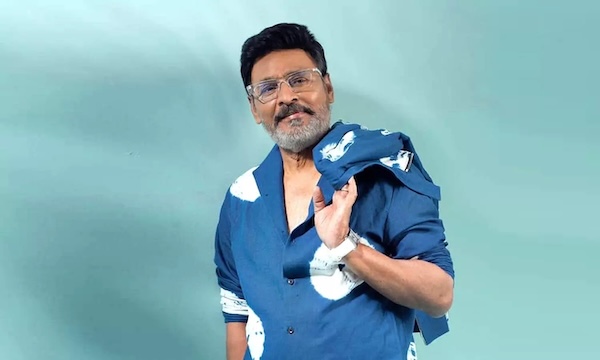
In Tamil Nadu of the eighties, if there was a director who tapped into the psyche of the female audience, and brought them to the theatres in droves, it was Bhagyaraj. His films had a hero, invariably him, but the one celebrated was the woman. Her joys, sorrows, fears, and more found space in his films.
Known as the king of screenplays, his movies went on to be made in other languages, and sometimes worked better than the original. The warm tributes of Anil Kapoor and Boney Kapoor were proof of the place Bhagyaraj and his writing had in Hindi cinema. His writing was pan-India long before it was a term. He turned his mentor Bharathiraja’s “Oru Kaidhiyin Diary”, which he co-wrote, into “Aakhri Raasta”, starring Amitabh Bachchan.
Born in January 1953, Bhagyaraj knew how to weave humour into his writing so as to make his films palatable to all. He was also one of the few to speak openly about sex in his movies, even turning the humble drumstick into a near-aphrodisiac in “Mundhanai Mudichu”. The women he wrote did not shy away from desire. His famous line ‘Ek Gaon Mein Ek Kisan Raghuthatha’ from “Indru Poi Naalai Vaa” was a historical reminder of the irony of many students taking up Hindi Prachar Sabha exams, years after the anti-Hindi agitation.
In keeping with his love for writing, he founded and edited the magazine Bhagya, known for its Q&A section that he answered. Like his mentor, he also nourished many young directors, notable among whom are R Parthiban and Pandiarajan.
Bhagyaraj’s writing was refreshing because it marked the coming together of native humour and situations and a contemporary line of thought. The women were educated and could speak English, while Bhagyaraj’s character usually could not. While celebrating women, he also pointed out the foibles of men, and wrote his films as a commentary on human relationships. Probably why they still stand the test of time.