In Memoriam
Bharathiraja (1941 - 2026)
Subha J Rao |
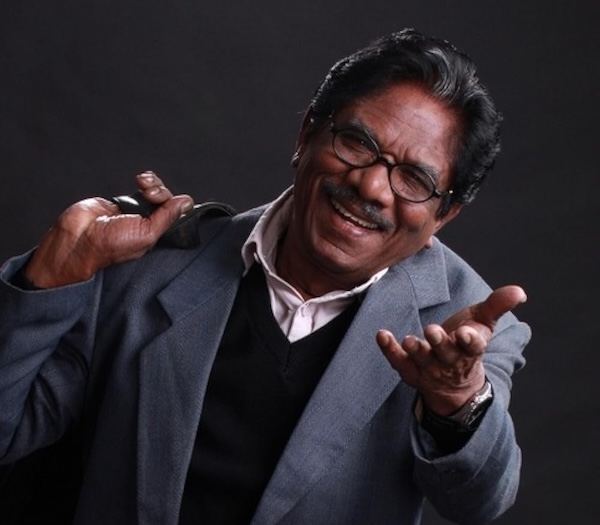
Bharathiraja is rightly credited with taking Tamil cinema out of studios to showcase village vistas. Along with the landscape, the storyscape changed too — the characters were more rooted and real, social issues such as caste, class divide and female infanticide were spoken about, and intense emotions drove relationships, both love and hate.
Born in July 1941, Bharathiraja was prolific as a writer and director, working with actors who would go on to become stars (Rajinikanth and Kamal Haasan in “16 Vayathinile”), and introducing numerous actors and actresses (Karthik, Radika, Radha, Revathy, Pandian, and K Bhagyaraj) who were assets to the industry. In the nineties, he worked with thespian Sivaji Ganesan in Mudhal Mariyaadhai, and showcased a new side of the much-feted star to audiences. He also encouraged a huge bunch of talented youngsters, many of whom went on to establish themselves, and trained others in turn. The late Bhagyaraj and Manivannan were from his school of filmmaking.
The soundscape of his films was extraordinary — he mainly worked with Ilaiyaraaja, and later with AR Rahman.
The Bharathiraja school of thought gave importance to tradition, but also questioned it. Which is why most of his films have aged well.
Bharathiraja began working at a time when women were not yet seen as part of the target audience. He and some of his proteges changed that, writing women with gravitas in their films. Women felt seen in his films.
Even as a director, Bharathiraja was known to enact scenes for his actors. Years later, he would go on to ace the acting department too, in films such as Mani Ratnam’s “Aayutha Ezhuthu”, Nithilan Saminathan’s “Kurangu Bommai”, and Mithran R Jawahar’s “Thiruchitrambalam”, where he played Dhanush’s grandfather who holds the family together.
With his passing, Tamil cinema is poorer, but he’s left behind a rich legacy in the form of actors, and directors who follow his school of filmmaking.